
Our Blog
- stsqa
- February 1, 2026
- 0 Comments
Customizability & Industry‑Specific Solutions with ERPNext: Low‑Code, Modular & Scalable ERP
As businesses evolve, one‑size‑fits‑all software becomes a liability. Companies in manufacturing, healthcare, education or non‑profit sectors have unique workflows and regulatory requirements. In 2026, ERP vendors are responding with industry‑specific solutions and low‑code/no‑code customization options. This article explores how ERPNext provides modular, flexible and scalable ERP through customizable modules and vertical solutions.
Low‑Code & Smart Customization
Smarter customization in 2026
Customizing ERP used to involve heavy code modifications that complicated upgrades and raised costs. Today, modern platforms offer configuration layers, low‑code tools and extension frameworks. Businesses can adapt workflows, dashboards and reports without breaking the core system, enabling them to evolve their ERP as they grow. The focus has shifted from deep customization to smart customization, aligning processes with best practices and customizing only where it adds value.
Modular and composable architecture
ERPNext’s modular architecture supports this customization trend. Companies can activate only the modules they need, add new functions later and integrate external apps via APIs. Each module functions independently but integrates seamlessly with other parts of the system. The architecture aligns with the composable ERP concept: organisations assemble best‑fit solutions rather than buying monolithic suites. ERPNext’s modules are lightweight, easy to deploy and scalable, allowing startups and enterprises to grow at their own pace.
Low‑code extensions & integration
In addition to built‑in customization, ERPNext supports low‑code extensions through the Frappe framework. Developers can create custom apps or scripts using Python, and non‑developers can adjust forms, workflows and reports via the web interface. Third‑party integrations (CRM, eCommerce, analytics) connect through APIs. This integration‑first approach eliminates data silos and enables cross‑platform workflows.
ERPNext Modules & Industry Packs
Core modules and features
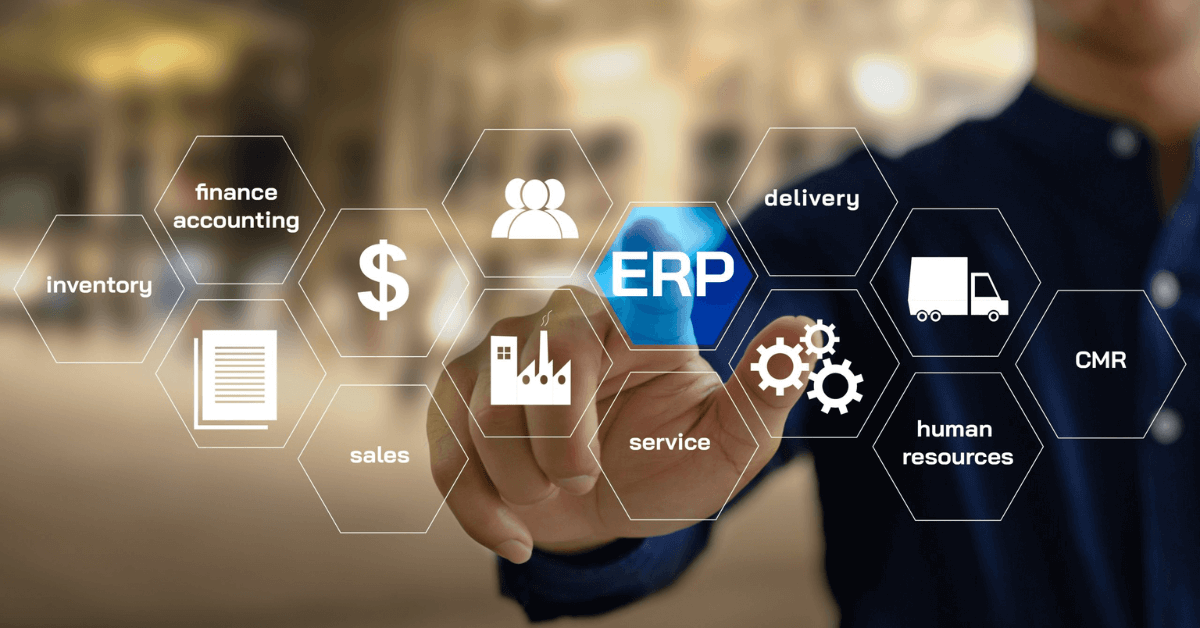
ERPNext includes a suite of core modules. For example, Accounting & Finance manages invoices, payments, taxes, budgets and multi‑currency transactions. Sales & CRM tracks leads, opportunities, quotations and customer communications. Inventory & Stock provides real‑time stock levels, reorder points and warehouse management. HR & Payroll handles employee records, attendance, leave management, recruitment and payroll processing. These modules can be deployed individually or together, ensuring that small organisations start with essentials and expand as they grow.
Industry‑specific modules
ERPNext offers dedicated modules for specific sectors:
1. Manufacturing: Supports bills of materials, production planning, work orders, quality control and maintenance. AI integration enables predictive maintenance and optimization of production cycles.
2. Education: Provides student information management, course scheduling, admissions, exams and grading.
3. Healthcare: Manages patient records, appointments, billing, pharmacy inventory and compliance requirements. AI features can assist in diagnostic coding or patient‑flow analysis.
4. Non‑Profit: Handles fundraising, donor management, volunteer tracking and project monitoring.
These industry packs reduce implementation time and cost by offering pre‑configured workflows. They also improve user adoption because processes reflect real‑world operations.
Community‑driven enhancements
ERPNext’s open‑source community continuously develops additional modules and apps. This community‑driven innovation ensures that features evolve quickly, from new regional tax rules to sector‑specific tools Companies can adopt these enhancements without waiting for vendor release cycles.
Benefits of Customizable & Industry‑Specific ERPNext
1. Tailored fit: Modules designed for specific industries eliminate the need for extensive customization, reducing time to value.
2. Incremental adoption: Businesses can start with core functions and activate new modules as needs evolve.
3. Lower costs: Open‑source licensing and modular deployment keep ownership costs low.
4. Ease of integration: API‑first architecture connects ERPNext with other tools (CRM, eCommerce, analytics).
5. Future‑proof: Community contributions and AI integration ensure that the platform stays current with industry trends.
Conclusion & Call to Action
In 2026, businesses demand ERP solutions that are flexible, affordable and tailored to their industry. ERPNext meets these requirements through its modular design, low‑code customization and pre‑built industry packs. Companies can start small enabling only accounting or CRM and expand into manufacturing, healthcare or education modules as they grow. The open‑source community ensures continuous improvement, while integration capabilities support a composable ERP strategy.
For organisations seeking to modernize operations without being locked into proprietary systems,, ERPNext offers a scalable and future‑ready path. Synergy Technology Solution can guide you through assessing your requirements, configuring ERPNext and building custom extensions. Reach out to explore how we can tailor ERPNext to your unique needs.