

Blog
- stsqa
- February 1, 2026
- 0 Comments
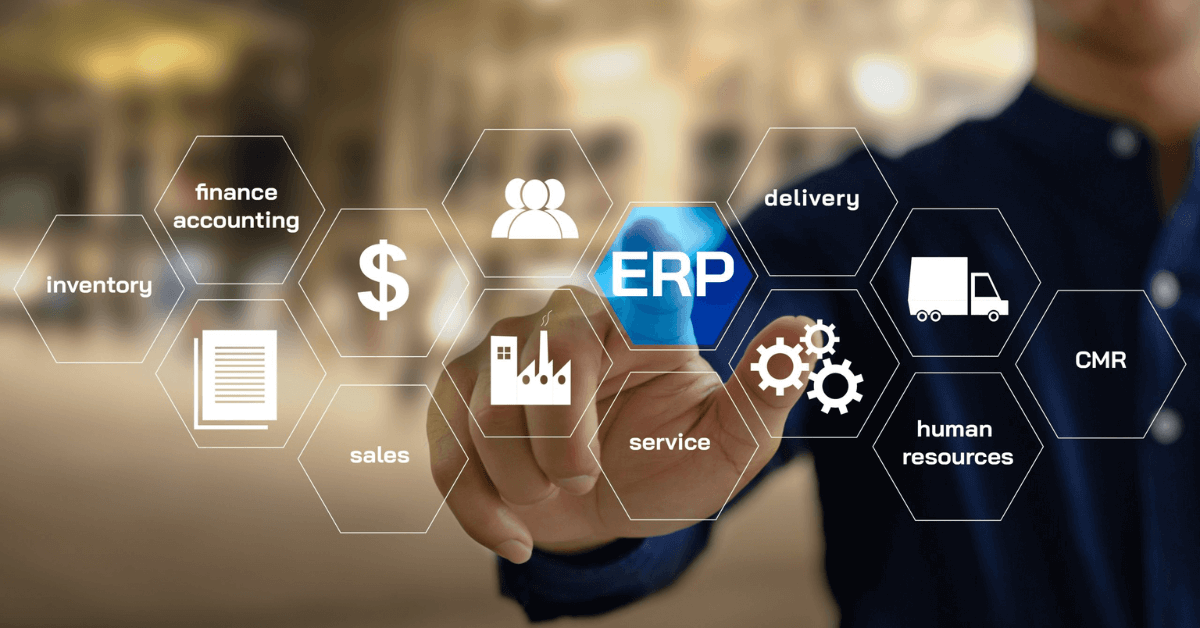
Customizability & Industry‑Specific Solutions with ERPNext: Low‑Code, Modular & Scalable ERP
As businesses evolve, one‑size‑fits‑all software becomes a liability. Companies in manufacturing, healthcare, education or non‑profit sectors have unique workflows and regulatory requirements. In 2026, ERP vendors are responding with industry‑specific solutions and low‑code/no‑code customization options. This article explores how ERPNext provides modular, flexible and scalable ERP through customizable modules and vertical solutions. Low‑Code & Smart …
Read More
- stsqa
- February 1, 2026
- 0 Comments
AI and Predictive Analytics in ERP: How ERPNext Integrates Smart Technologies
Artificial intelligence (AI) has moved from buzzword to business imperative. By 2026 ERP platforms will no longer just be record‑keeping systems; they will embed intelligence, learn from data and recommend actions. Analysts predict that AI will handle forecasting, demand planning and risk prediction more accurately than manual methods. Yet many companies still rely on manual …
Continue reading “AI and Predictive Analytics in ERP: How ERPNext Integrates Smart Technologies”
Read More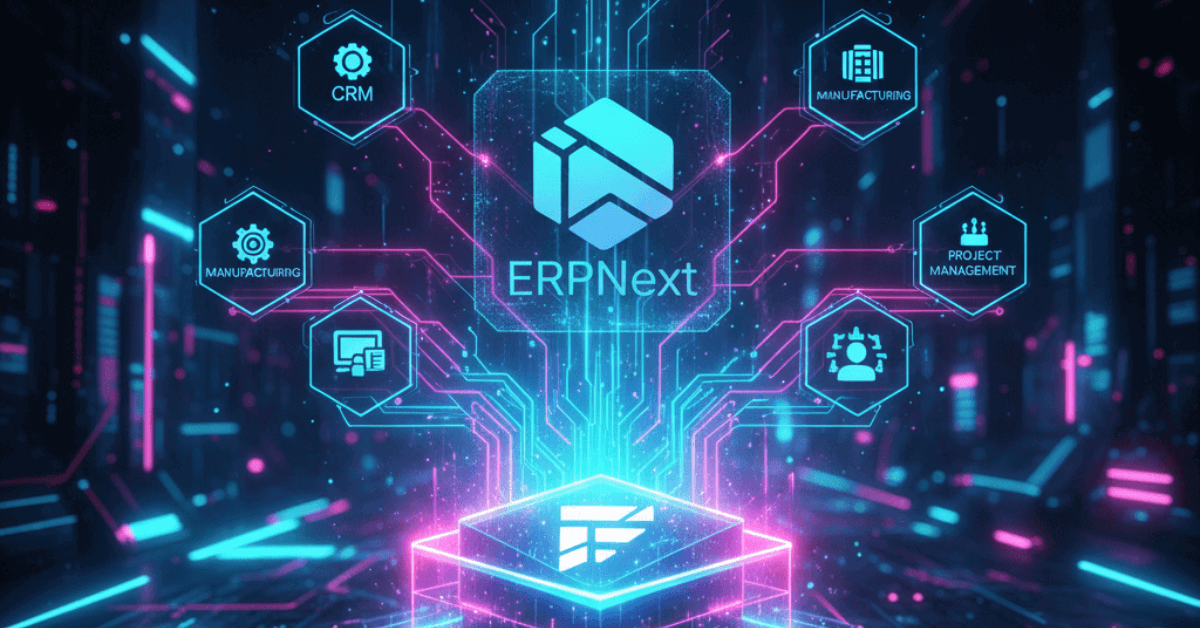
- stsqa
- February 1, 2026
- 0 Comments
Why Cloud‑Based & Open‑Source ERP Systems Are Leading in 2026: The Case for ERPNext
In 2026, the enterprise resource planning (ERP) landscape is shifting rapidly. A decade ago most businesses relied on bulky on‑premise systems that required expensive servers and infrequent upgrades. Now, cloud‑based and open‑source ERPs are becoming the standard. A recent Flexera report shows that about 63 % of business workloads already run in the cloud, and organisations …
Read More